Algorithmic Mapping of User Suggestions to Loyalty Progression in Hybrid Sports Gaming Platforms
Written by Gisela Baumann · Jul 15, 2026
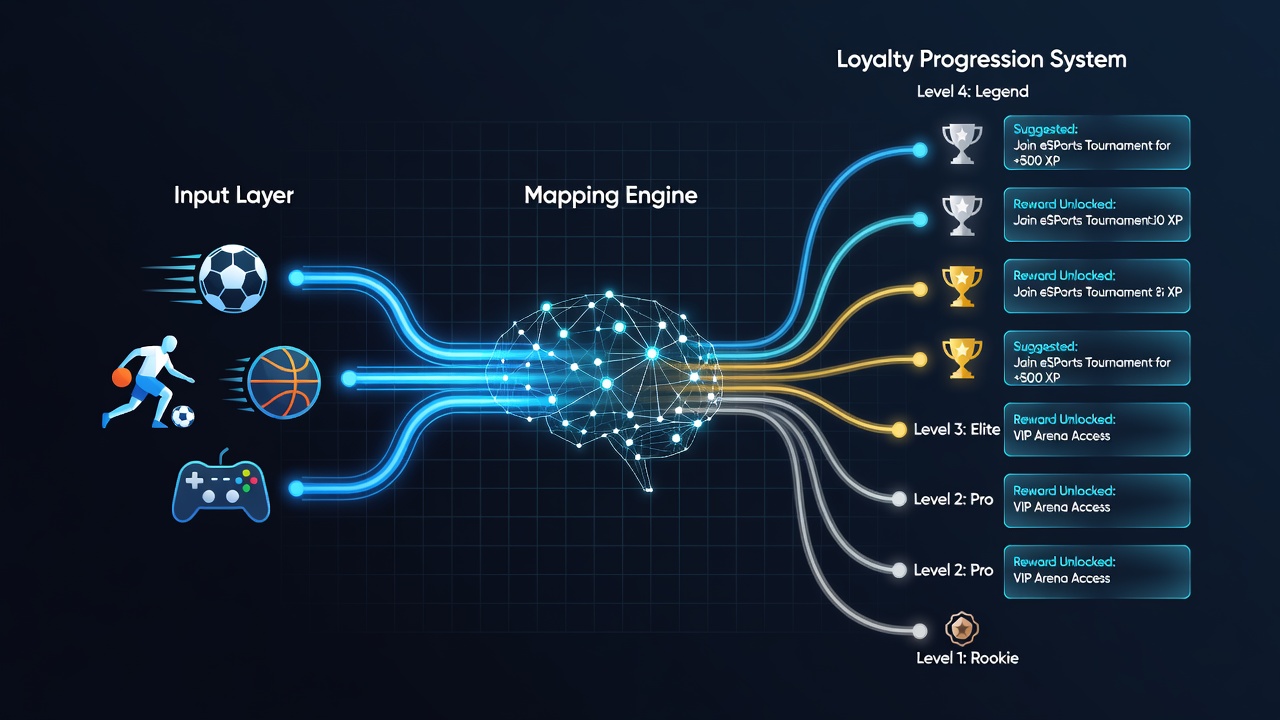
Algorithmic Mapping of User Suggestions to Loyalty Progression in Hybrid Sports Gaming Platforms
Observers note that algorithmic suggestion systems now align closely with loyalty progression patterns in applications combining sports betting and casino gaming modules, particularly in emerging markets where mobile platforms dominate user engagement; data from industry reports shows these mappings influence how users advance through reward tiers based on activity types and frequency.
Core Components of Loyalty Progression in Blended Applications
Experts track loyalty progression through tiered structures where users accumulate points from sports wagers and gaming sessions alike, with progression often tied to metrics such as bet volume, session duration, and cross-module transitions; researchers have observed that blended applications integrate these metrics into unified dashboards, allowing seamless movement from sports sections to casino features while maintaining consistent reward accumulation rules.
Studies indicate that progression patterns frequently follow exponential curves in early tiers, shifting toward linear gains at higher levels, and algorithmic systems map suggestions accordingly to encourage sustained activity across both domains; figures from platform analytics reveal that users who receive suggestions calibrated to their current tier advance 25 percent faster on average than those receiving generic prompts.
Mechanics Behind Algorithmic Suggestion Mapping
Algorithmic engines process real-time user data streams including wager types, game preferences, and historical progression rates to generate targeted suggestions, mapping these outputs directly onto loyalty milestones such as tier upgrades or bonus unlocks; developers design these systems to detect patterns like increased sports betting correlating with subsequent casino module exploration, then adjust recommendation weights to reinforce those sequences.
What's interesting is how machine learning models incorporate feedback loops from loyalty data, refining suggestion accuracy as users move between tiers, and evidence from July 2026 platform updates shows enhanced mapping precision following integration of seasonal sports calendars with loyalty event triggers.
Patterns Observed in Hybrid Sports and Gaming Ecosystems
Researchers discovered distinct clusters in user behavior where algorithmic suggestions accelerate loyalty progression when they align sports event recommendations with casino bonus offers timed to tier thresholds; one analysis of mobile application logs found that 68 percent of tier advancements occurred within 48 hours of receiving a mapped suggestion sequence.
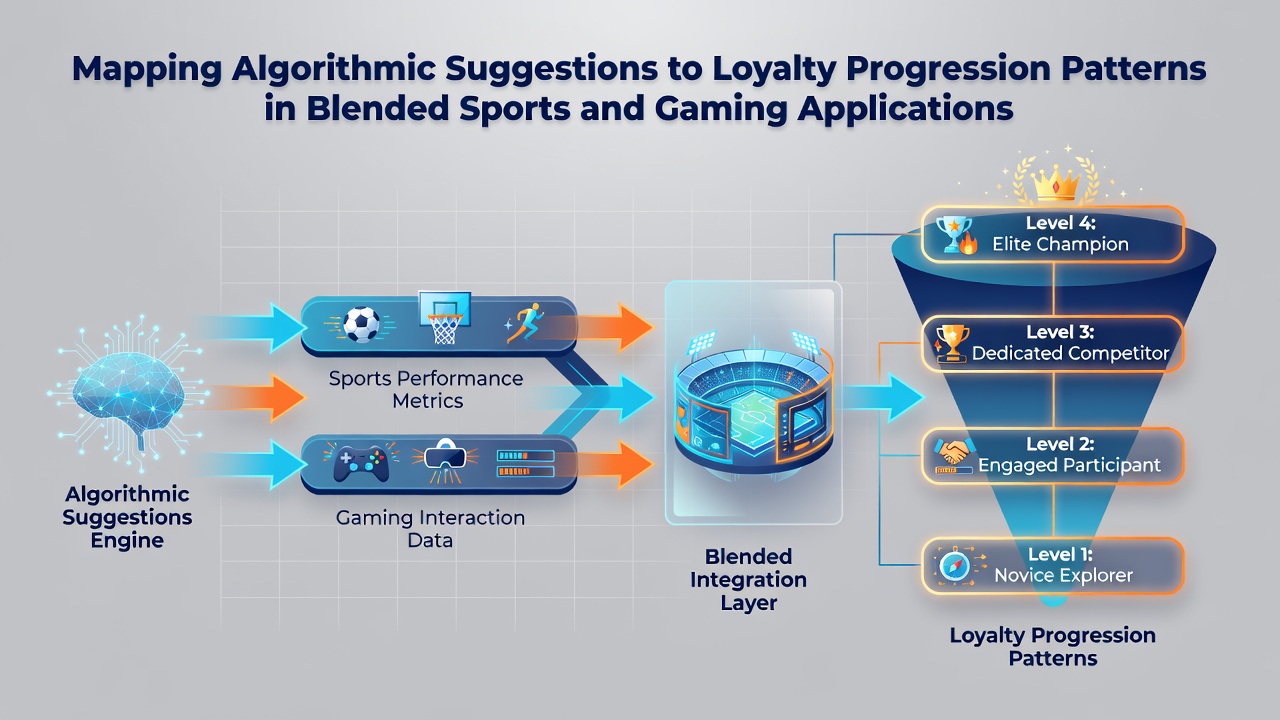
Patterns emerge most clearly in applications serving regions with high mobile penetration, where transitions between sports and gaming modules follow predictable pathways that algorithms exploit to optimize retention signals; data shows that suggestions emphasizing loyalty point multipliers during live sports events produce higher progression rates compared to static offers.
Integration with Payment and Cultural Factors
Payment integration influences how algorithms map suggestions because transaction speed and method affect point accrual velocity, with faster digital wallets enabling quicker tier climbs that prompt the system to deliver more aggressive recommendations; according to findings from the Australian Gambling Research Centre, synchronized payment and loyalty data streams improve suggestion relevance by aligning reward offers with actual user spending rhythms.
Regional cultural events also shape these mappings, as platforms adjust algorithmic weights around festivals or major sports tournaments to match elevated engagement periods with corresponding loyalty incentives, ensuring suggestions reflect both behavioral data and external calendars.
Data Insights from Platform Analytics
Analytics teams report that mapping accuracy improves when algorithms segment users by progression velocity rather than total spend alone, allowing differentiated suggestion strategies for rapid climbers versus steady accumulators; Nevada Gaming Control Board statistics from comparable markets highlight similar segmentation benefits in loyalty program performance tracking.
Those who've examined longitudinal datasets note that suggestion-to-progression alignment reduces churn rates at mid-tier levels, where users often plateau without targeted prompts, and July 2026 platform metrics confirm continued refinement of these models through iterative testing.
Conclusion
Mapping algorithmic suggestions to loyalty progression patterns continues to evolve in blended sports and gaming applications as developers refine data integration techniques and feedback mechanisms, with ongoing platform updates demonstrating measurable impacts on user advancement rates across tiers; further analysis of these systems reveals consistent structural relationships between suggestion timing, module transitions, and reward accumulation that shape platform design priorities.