Bazaar Bargains to Bonus Hunts: Cultural Roots of Reward-Seeking in India's Mobile Betting Scene
Written by Wendy Lange · Jun 29, 2026
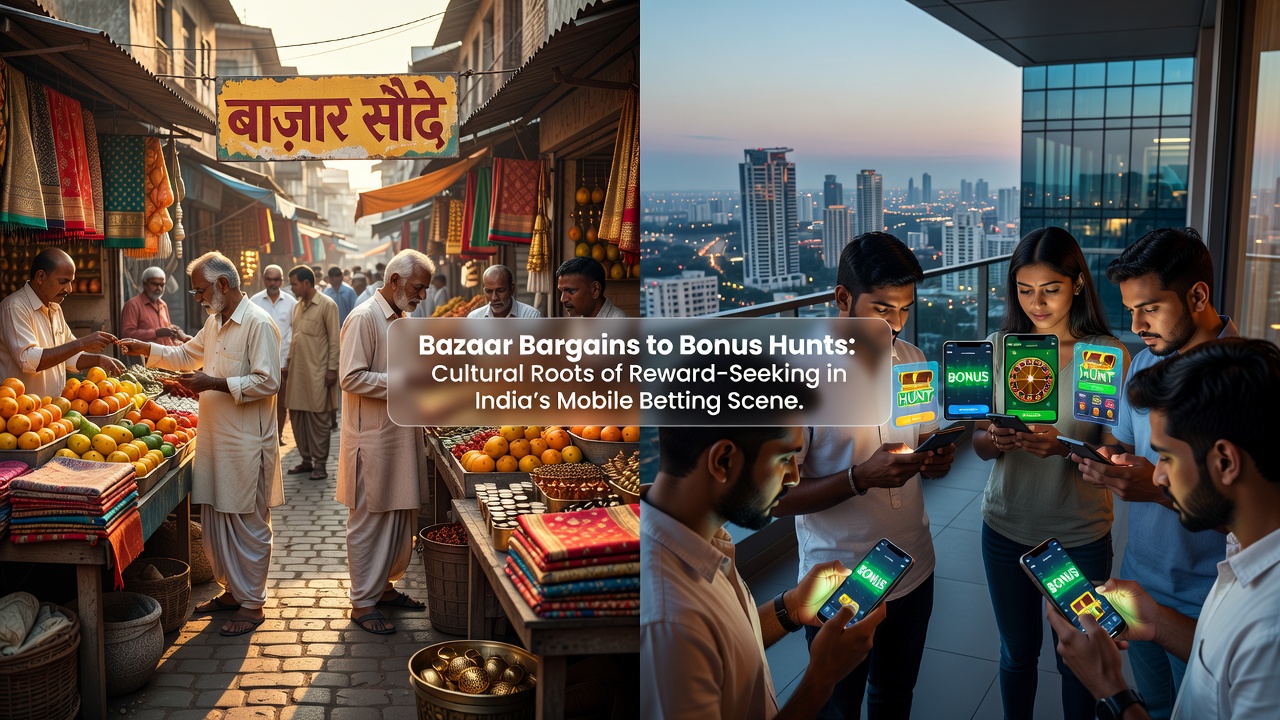
Bazaar Bargains to Bonus Hunts: Cultural Roots of Reward-Seeking in India's Mobile Betting Scene
India's mobile betting landscape draws from centuries-old practices of negotiation and deal-seeking that once defined daily commerce in bustling bazaars across the subcontinent. Those practices emphasized haggling for better value, and they continue to shape how users interact with reward systems in contemporary apps. Researchers have traced these patterns through behavioral studies that link historical market dynamics to digital engagement metrics reported in 2026.
Traditional Bargaining as Foundation
Market traders in cities like Delhi and Mumbai developed intricate strategies for securing discounts through persistence and timing, and similar tactics appear in how players pursue layered bonuses today. Data from regional economic surveys indicate that bargaining sessions often extended over multiple rounds, which mirrors the multi-step reward collection sequences found in many hybrid gaming platforms. Observers note that this continuity stems from cultural familiarity with variable outcomes rather than fixed pricing structures.
Festival seasons amplified these habits because merchants offered special incentives tied to events such as Diwali or Eid, and mobile applications now replicate that timing with seasonal promotions. Government statistics on digital payment adoption show a sharp rise during these periods, which aligns with increased activity in reward-based modules. Experts point to this overlap as evidence that users apply familiar seasonal strategies when navigating app interfaces.
Transition to Digital Platforms
Mobile penetration accelerated after 2020, yet the underlying reward-seeking logic remained rooted in offline precedents. Studies conducted by academic institutions in South Asia reveal that users who grew up around open-air markets demonstrate higher engagement with tiered loyalty features compared to those without that background. Payment integration through systems like UPI further streamlined the process, allowing quick shifts between sports wagers and casino-style modules without disrupting the flow of perceived value accumulation.
By June 2026, industry reports documented sustained growth in bonus redemption rates across regional platforms, particularly during post-monsoon months when traditional harvest celebrations coincide with app campaigns. This synchronization reflects deliberate design choices that echo historical market calendars rather than purely algorithmic prompts.
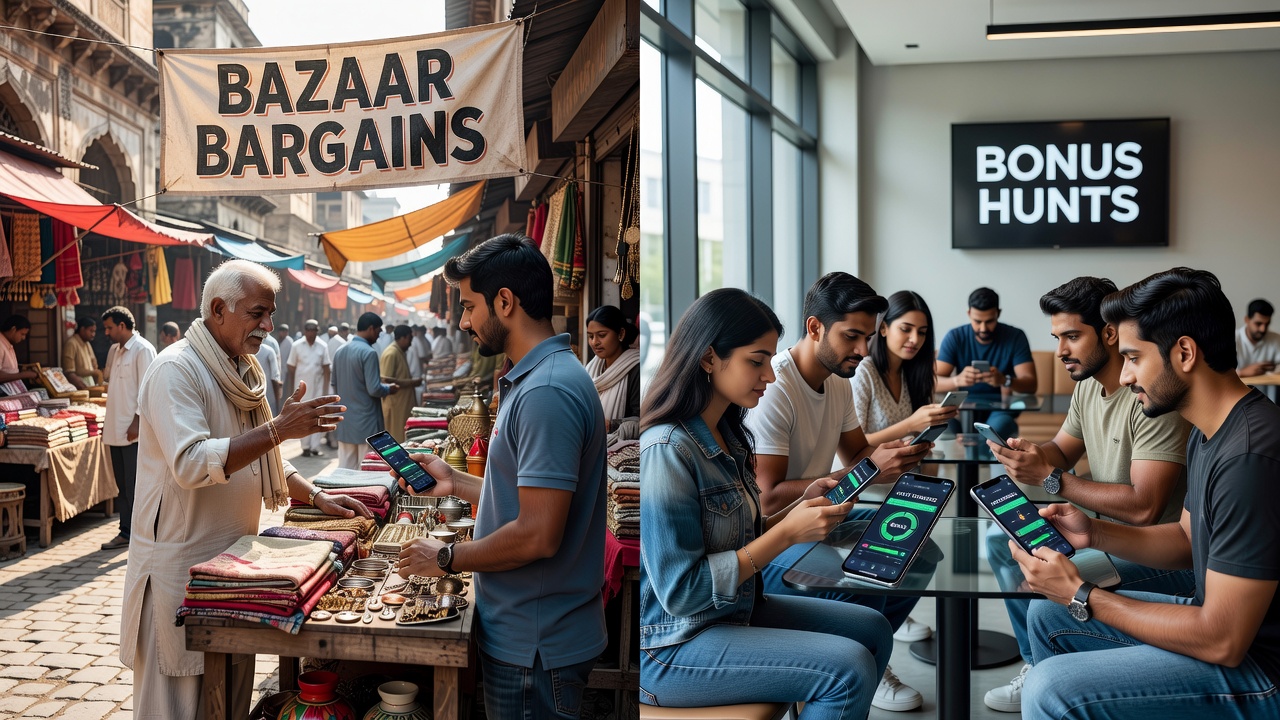
Current Patterns in Reward Structures
Hybrid applications combine live dealer options with sports betting, and they structure incentives to reward incremental participation. Figures released by the Asian Gaming Research Institute show that users frequently progress through multiple tiers within a single session, a behavior that parallels extended bargaining exchanges in physical markets. Retention data collected through 2026 highlights stronger loyalty among participants who treat bonuses as negotiable assets rather than static gifts.
Regional variations emerge clearly when comparing northern states with southern markets, where cultural emphasis on collective decision-making influences group-based referral rewards. Regulatory updates from bodies such as the Ministry of Electronics and Information Technology have shaped payment flows that support these layered systems without altering core user habits. Industry associations tracking app metrics note that personalized incentives tied to past activity sustain engagement levels even during slower economic periods.
Case Examples from User Data
One analysis of app usage patterns in Maharashtra revealed clusters of players who activate multiple daily login bonuses in sequences reminiscent of vendor rounds in local mandis. Similar findings from Karnataka studies link festival-timed promotions to measurable spikes in module transitions between sports and table games. These observations come from anonymized datasets shared at regional technology conferences held earlier in 2026.
Payment behavior further illustrates the connection because users often select methods that maximize perceived returns, such as cashback-linked wallets. Reports from the Reserve Bank of India on digital transaction volumes confirm elevated activity during promotional windows, underscoring how traditional value maximization persists in new formats.
Conclusion
Cultural continuity appears in the way reward systems operate within India's mobile betting environment, where historical bargaining instincts meet structured digital incentives. Evidence gathered through 2026 demonstrates that users adapt familiar negotiation rhythms to app mechanics, producing consistent patterns across diverse regions. This linkage remains visible in retention statistics and seasonal activity spikes that continue to reflect longstanding market traditions.