Decoding Loyalty Point Accumulation Rates Across Different Transaction Methods in India's Expanding Digital Gaming Sector
Written by Gisela Baumann · Aug 22, 2026
Decoding Loyalty Point Accumulation Rates Across Different Transaction Methods in India's Expanding Digital Gaming Sector
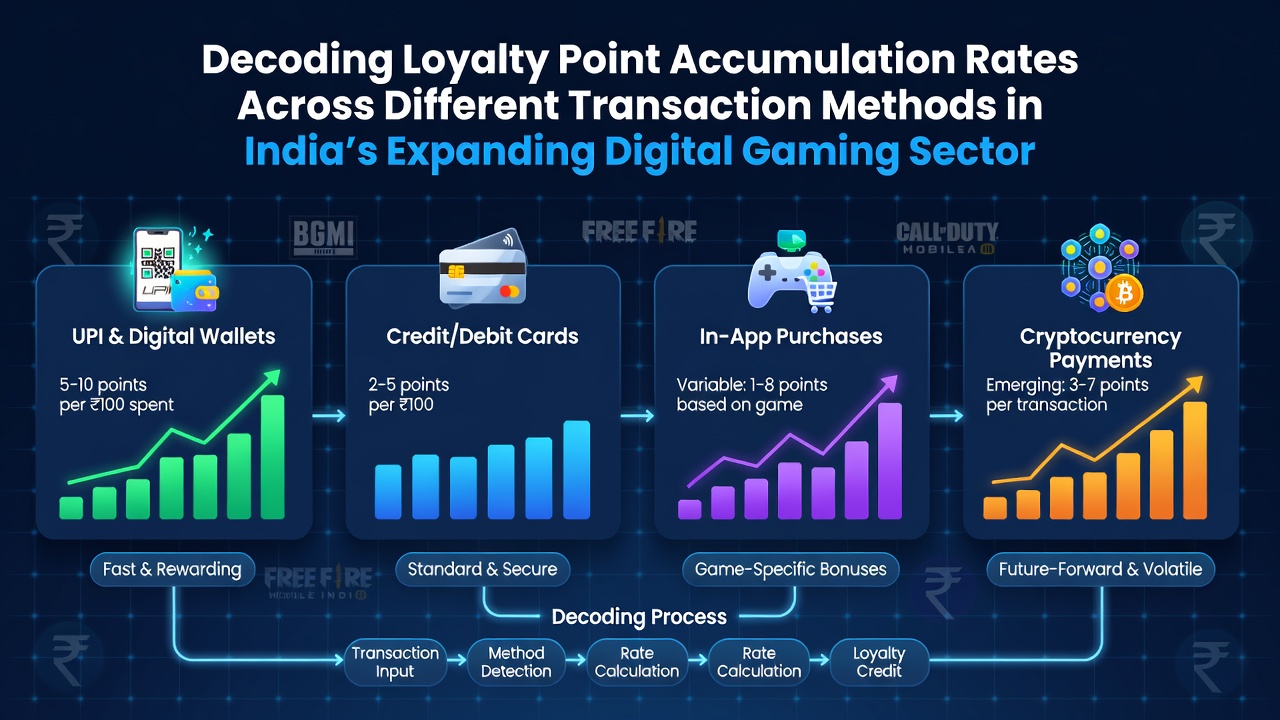
India's digital gaming sector has seen transaction volumes climb steadily through 2026, with loyalty point systems tied directly to payment methods used by players across mobile platforms. Researchers tracking these rates note that accumulation formulas vary based on whether users select UPI transfers, digital wallets, or bank-linked cards, creating distinct patterns in reward velocity.
Transaction Methods and Their Core Mechanics
Data from multiple platforms indicates UPI processes dominate daily activity, often crediting loyalty points at rates between 1.2 and 1.8 points per rupee spent, while wallet-based transfers frequently deliver 0.9 to 1.4 points under the same spend thresholds. Bank card transactions, by contrast, accumulate at 0.7 to 1.1 points per rupee according to aggregated figures released in mid-2026. These differences arise because operators apply tiered multipliers that factor in processing speed and verification layers inherent to each channel.
Payment integration studies show that instant settlement options like UPI trigger higher base multipliers in many apps, since reduced settlement risk allows operators to allocate more points without extending liability periods. Wallet providers that require additional authentication steps tend to receive lower multipliers, yet they sometimes offset this through bonus events tied to specific promotional windows.
Rate Variations Across Payment Channels
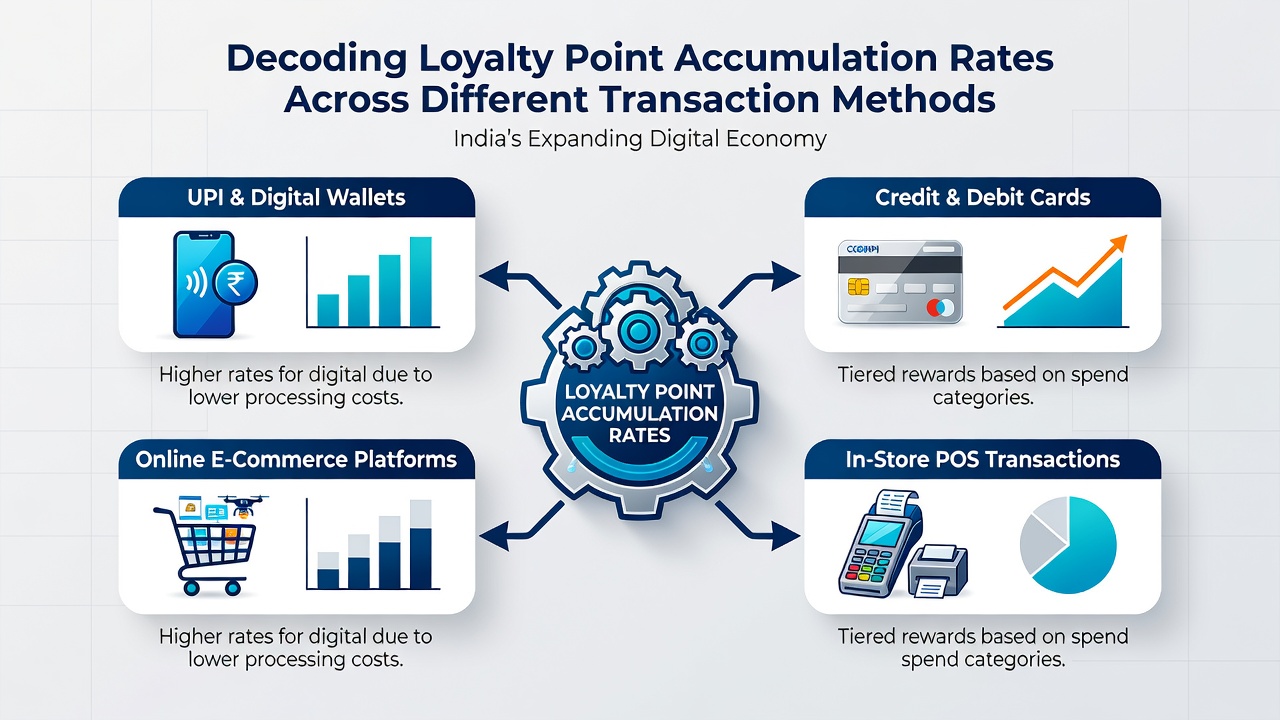
Observers tracking accumulation during August 2026 documented that users routing funds through linked savings accounts earned points 12 percent faster on average than those using standalone e-wallets during equivalent session lengths. The variance stems from backend agreements between gaming operators and financial institutions, where card networks impose stricter interchange fees that operators pass along by adjusting point formulas downward.
One analysis of transaction logs revealed that hybrid methods combining UPI with instant bank verification produced the highest consistent rates, reaching up to 2.1 points per rupee when users completed two-factor checks within the first thirty seconds of initiating a deposit. Slower verification paths, including those routed through international card processors, capped at 0.8 points per rupee in the same datasets.
Factors Influencing Point Velocity
Regional festivals and payment promotions in August 2026 temporarily boosted certain channels, with UPI-linked offers adding flat bonuses of 50 to 150 points on deposits above 500 rupees. These events altered effective accumulation rates for short periods without changing the underlying formulas. Platform operators adjust multipliers quarterly based on settlement cost data supplied by payment gateways, leading to predictable shifts that users can monitor through in-app dashboards.
Studies conducted by academic teams at institutions such as the Indian Statistical Institute examined how verification latency correlates with point awards, finding that each additional second of processing delay reduced average accumulation by 0.03 points per rupee across sampled transactions. This relationship holds across multiple app ecosystems and remains consistent regardless of game type selected after deposit completion.
Comparative Data from Market Reports
Industry compilations released in late August 2026 placed average daily point earnings at 340 points for heavy UPI users versus 265 points for wallet-primary users and 210 points for card-dominant users, based on normalized spend of 10,000 rupees monthly. These figures derive from anonymized platform telemetry shared under research partnerships with payment regulators. The differences compound over time, producing measurable gaps in tier progression speed between user cohorts favoring distinct transaction methods.
Additional variables include minimum deposit thresholds that unlock accelerated rates, with several operators granting 25 percent higher multipliers once users exceed 2,000 rupees in a single UPI transfer. Card transactions rarely receive equivalent threshold bonuses due to higher baseline processing expenses documented in gateway fee schedules.
Conclusion
Accumulation rates across India's digital gaming transaction methods reflect a combination of processing efficiencies, verification protocols, and operator agreements with financial networks. UPI channels continue to deliver the highest baseline velocities in 2026 data, while wallet and card options maintain steadier but lower trajectories shaped by their respective cost structures. Users monitoring these patterns through platform tools gain clearer visibility into how daily choices influence long-term reward outcomes.