Digital Wallets Opening New Doors to Live Dealer Games in South Asian Betting Scenes
Written by Eden Krüger · Jun 24, 2026
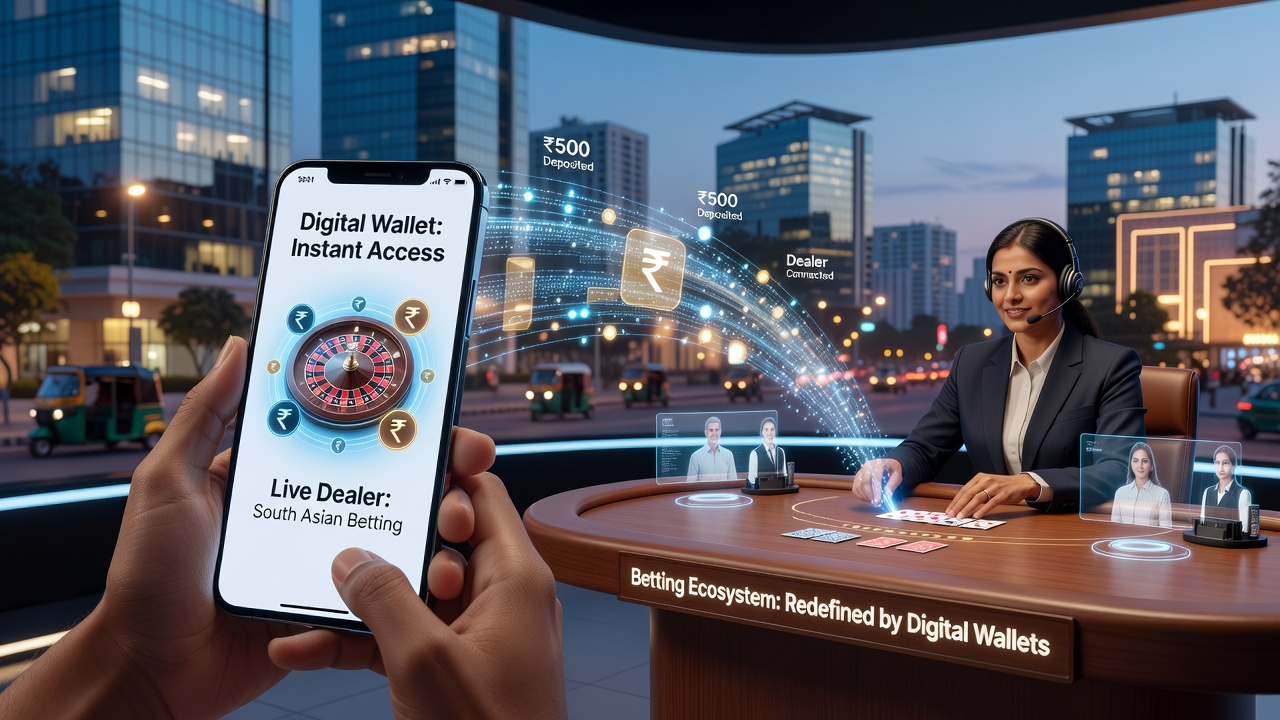
Digital Wallets Opening New Doors to Live Dealer Games in South Asian Betting Scenes
Digital wallet integrations have accelerated connections between users and live dealer platforms across South Asian markets since the early 2020s, and by June 2026 these systems continue to streamline deposits and withdrawals for real-time table games. Platforms in India, Bangladesh, and Sri Lanka now route transactions through services such as UPI, bKash, and other instant payment networks, which reduces processing times from hours to seconds while maintaining compliance with local banking rules.
Live dealer experiences require stable, low-latency funding because sessions run continuously with real croupiers and multiple camera feeds. When a wallet links directly to an operator backend, players complete verification once and then move funds without re-entering card details during peak evening hours. Observers note that this seamless flow keeps participants inside the game environment longer, especially during regional festivals when traffic spikes occur.
Payment Rails Supporting Continuous Live Play
Instant settlement rails such as India’s Unified Payments Interface and Bangladesh’s mobile financial services now sit behind most licensed or gray-market live dealer applications. A single API call authorizes a deposit, triggers the game server to credit the balance, and confirms the transaction on the user’s phone within the same interface. This architecture eliminates the multi-step redirects that once interrupted blackjack or baccarat rounds.
Operators report that withdrawal requests processed through the same wallets clear in under fifteen minutes during standard business hours, a change documented in platform update logs from late 2025. Faster cash-outs encourage repeat sessions because winnings become available for the next scheduled live tournament without waiting for bank batch processing.
Regional Regulatory Adjustments Through Mid-2026
Central banks across South Asia have updated digital payment guidelines to accommodate gaming-related flows while preserving anti-money-laundering checks. In June 2026, several Indian state-level directives clarified that UPI transactions to approved merchants must include purpose codes, yet the same rules still permit rapid funding of live dealer wallets once the merchant category is verified. Similar frameworks in Singapore and Australia demonstrate comparable approaches, where regulators require transaction monitoring but allow wallet operators to maintain speed for compliant users.
These policy shifts have prompted software providers to embed compliance layers directly into wallet APIs, so every live dealer transaction carries metadata that satisfies audit trails without adding visible friction for the player.
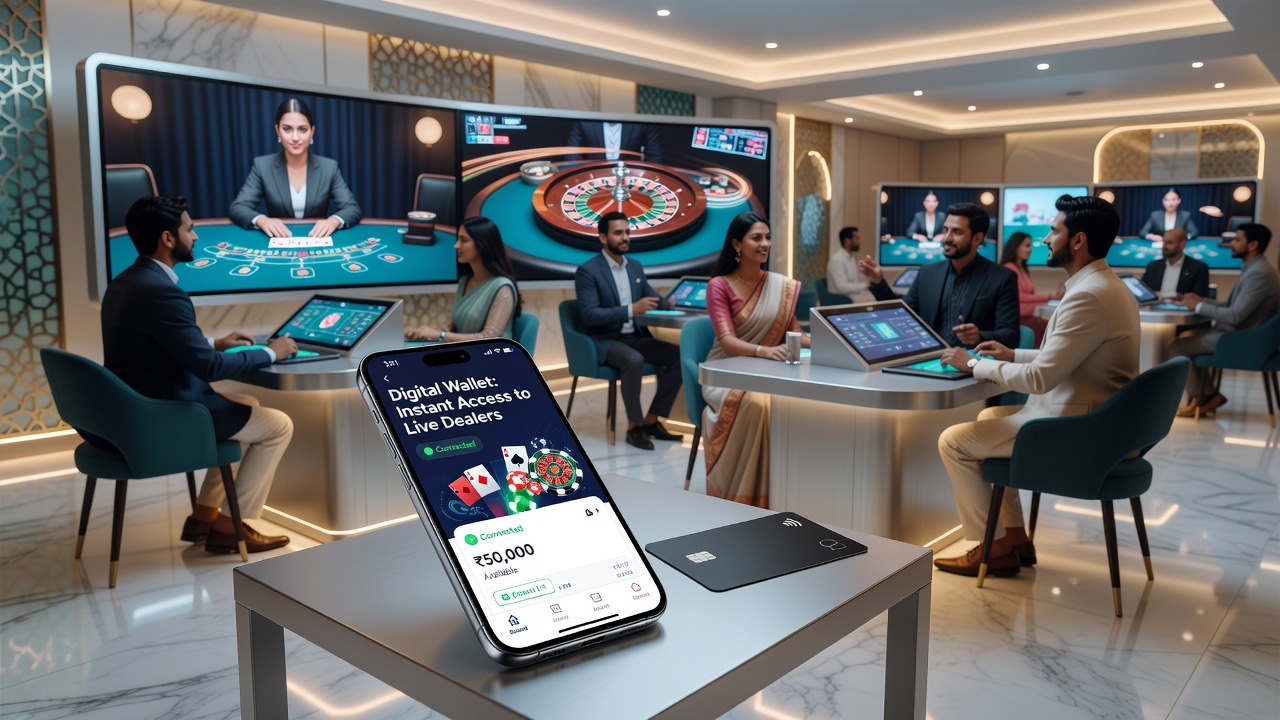
Impact on Player Behavior and Session Length
Usage data collected by multiple platform operators indicate that average session duration for live dealer tables increased after wallet integrations rolled out in 2024 and 2025. Players who previously abandoned games during deposit delays now maintain continuous balances because top-up options appear inside the live stream overlay. Researchers tracking anonymized transaction logs have recorded higher repeat login rates on weekends when live tournaments run back-to-back.
Wallet-linked loyalty programs further reinforce this pattern by awarding instant cashback or free bet credits immediately after a funded round ends. The credits appear in the same wallet balance, allowing immediate use in the next dealer shoe without leaving the application.
Technical Infrastructure Behind the Scenes
Live dealer studios transmit video through content delivery networks that require synchronized payment status checks to prevent lag between balance updates and game outcomes. Wallet providers supply lightweight SDKs that sit alongside the streaming player, so a deposit confirmation triggers an in-game balance refresh within milliseconds. This tight coupling reduces the risk of disputes over timing, because the ledger entry and the video timestamp align on the operator server.
Security protocols include device binding and biometric confirmation at the wallet layer, which satisfies both banking standards and gaming integrity requirements. When a user switches between portrait and landscape views during a roulette spin, the wallet session remains active without re-authentication.
Cross-Border Considerations in South Asia
Users located near international borders sometimes fund accounts through wallets registered in neighboring countries, creating additional compliance layers. Platform operators therefore maintain separate routing tables that apply local currency conversion and tax reporting rules before the live dealer balance updates. In June 2026 these systems handled increased volumes during cricket season, when cross-border traffic rose alongside interest in live casino side bets tied to match outcomes.
According to figures published by the Monetary Authority of Singapore, regional digital payment volumes grew steadily through 2025, providing the backbone that gaming operators now leverage for live experiences.
Conclusion
Digital wallet integrations have altered the operational flow between funding mechanisms and live dealer environments throughout South Asian betting ecosystems. Faster settlement, embedded compliance checks, and synchronized streaming infrastructure together support longer, uninterrupted sessions while meeting evolving regulatory expectations. As payment networks continue expanding reach in June 2026 and beyond, the technical linkage between wallets and real-time tables remains the primary driver of accessibility in these markets.