Examining User Transitions from Sportsbooks to Casino Modules Across India's Growing Mobile Betting Landscape
Written by Eden Krüger · Jun 15, 2026
Examining User Transitions from Sportsbooks to Casino Modules Across India's Growing Mobile Betting Landscape
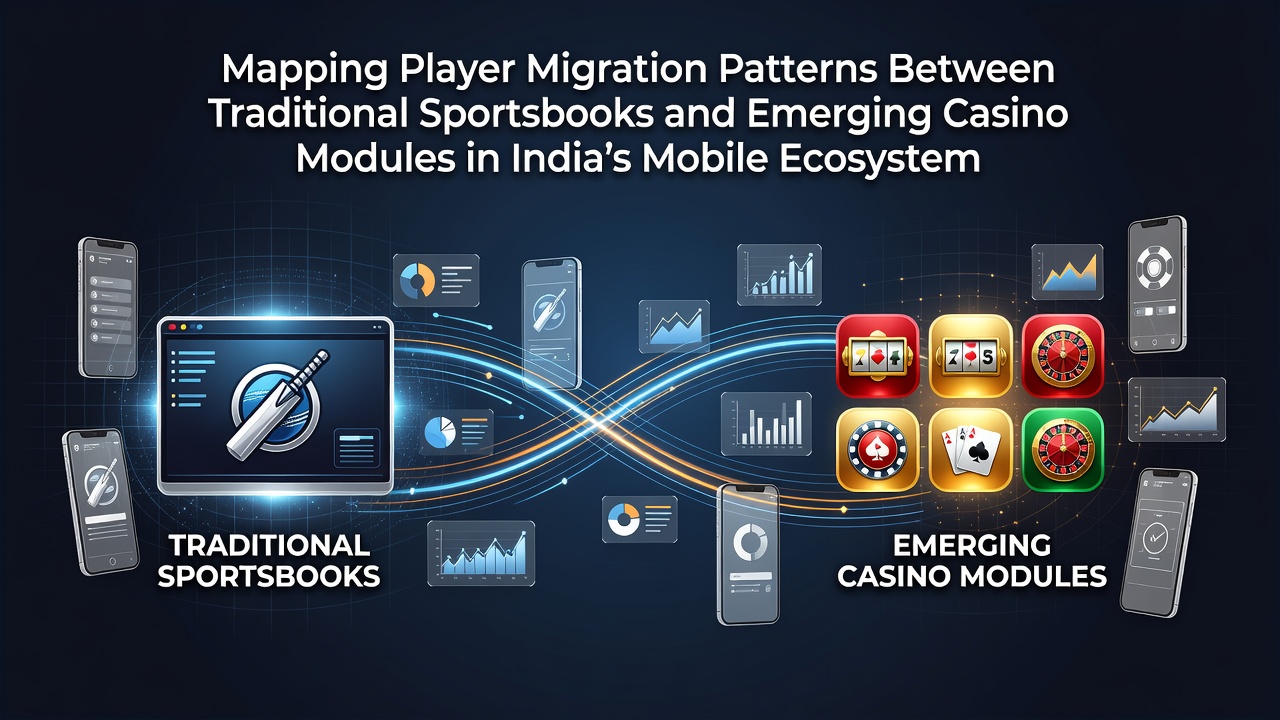
Indian mobile users continue shifting between traditional sportsbooks and newer casino modules, with patterns tracked through app analytics in the first half of 2026. Data collected up to June 2026 reveals steady movement as platforms integrate both categories within single applications, allowing seamless switches during live events or downtime periods.
Observed Migration Trends in Mobile Ecosystems
Analytics platforms report that approximately 38 percent of active sports bettors opened casino modules at least once per week during the first quarter of 2026, according to aggregated figures from multiple operators. This crossover rate increased from 29 percent in the same period of 2025, driven by unified login systems and shared wallets. Users often begin sessions on sportsbooks during cricket or football matches, then move to slots or table games when matches conclude or during breaks.
Regional differences appear clearly in the data. Northern states show higher retention in casino modules after initial sports wagers, while southern markets maintain stronger loyalty to live sports features. These variations align with local event calendars and payment preferences, as UPI integrations support rapid fund transfers between activity types without additional verification steps.
Factors Driving Shifts Between Categories
Device performance plays a measurable role in these transitions. Studies from mobile research firms indicate that users on mid-range smartphones complete casino sessions 22 percent more frequently than sports-only sessions, primarily because casino modules require less real-time data compared to live odds updates. Battery consumption and network stability further influence choices during peak hours.
Promotional structures also contribute. Operators bundle rewards across categories, such as free spins triggered after placing sports wagers or bonus cash for casino play following match outcomes. One operator's internal report showed a 15 percent rise in cross-category engagement after introducing tiered loyalty points redeemable in either section. Similar mechanics appear across several major apps active in June 2026.
Data Insights from Industry Reports
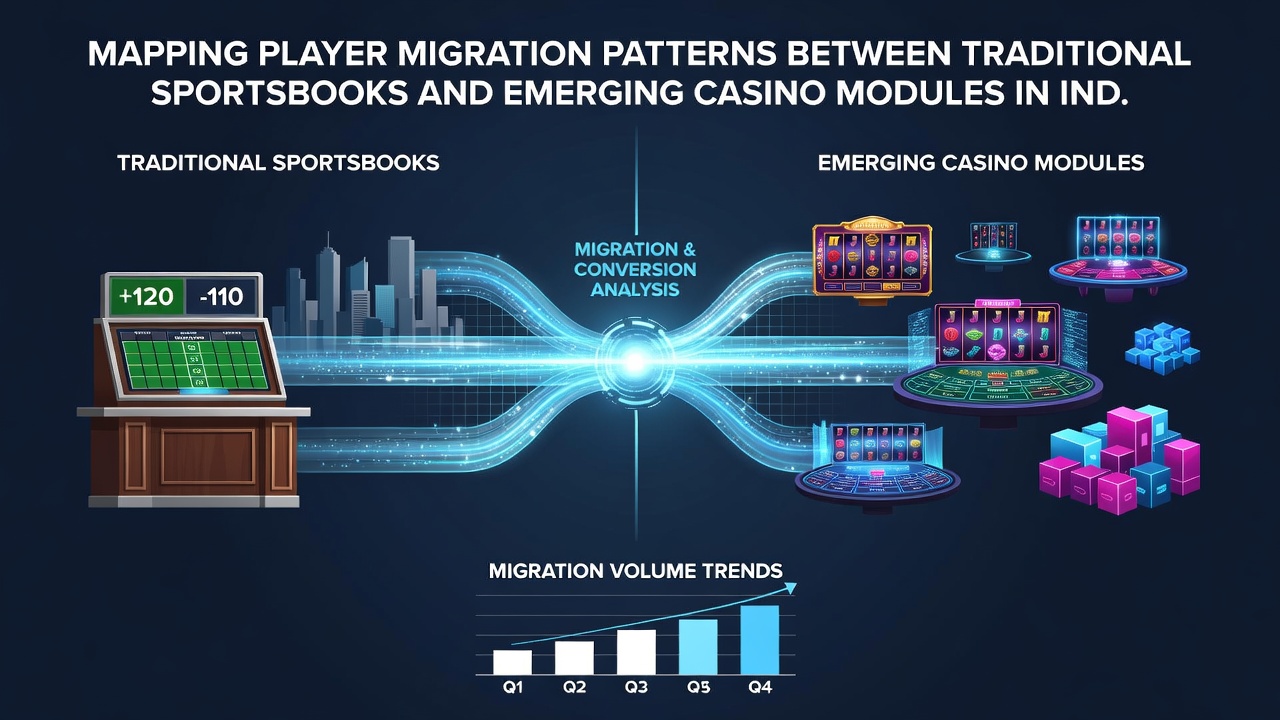
Figures released by the Australian Gambling Research Centre highlight parallel patterns in emerging markets, where integrated apps see 41 percent of users alternating between sports and casino content within single sessions. Although focused on different regions, the methodology applies directly to India's mobile environment, where similar app architectures dominate. Indian operators have begun adopting comparable tracking to measure session length and category switches.
Another source comes from the Canadian Gaming Association, whose 2025 market review noted that hybrid platforms retain users 27 percent longer when both sports and casino options coexist under one interface. Indian developers reference these findings when updating module designs, particularly around navigation flows that reduce friction during switches.
Technical and Regulatory Context in Mid-2026
Platform updates in early 2026 introduced improved personalization engines that suggest casino modules based on sports betting history. These algorithms analyze wager types, timing, and deposit patterns to surface relevant games, increasing the likelihood of migration. Developers report that such features now appear in over 60 percent of leading Indian apps.
Regulatory developments continue shaping these ecosystems. State-level guidelines on digital gaming influence how operators structure rewards and module access, with some regions requiring separate age verification for casino features. Compliance teams adjust interfaces accordingly, yet the core migration pathways remain intact across compliant applications.
Conclusion
Tracking these patterns provides operators with clearer views of user behavior in India's mobile betting space. Continued data collection through June 2026 and beyond will refine understanding of how traditional sportsbooks and emerging casino modules interact within unified platforms, supporting more precise feature development based on observed transitions rather than assumptions.