How Unified Reward Programs and Digital Payment Integration Are Enhancing User Retention in India's Wagering Applications
Written by Eden Walter · May 18, 2026
How Unified Reward Programs and Digital Payment Integration Are Enhancing User Retention in India's Wagering Applications
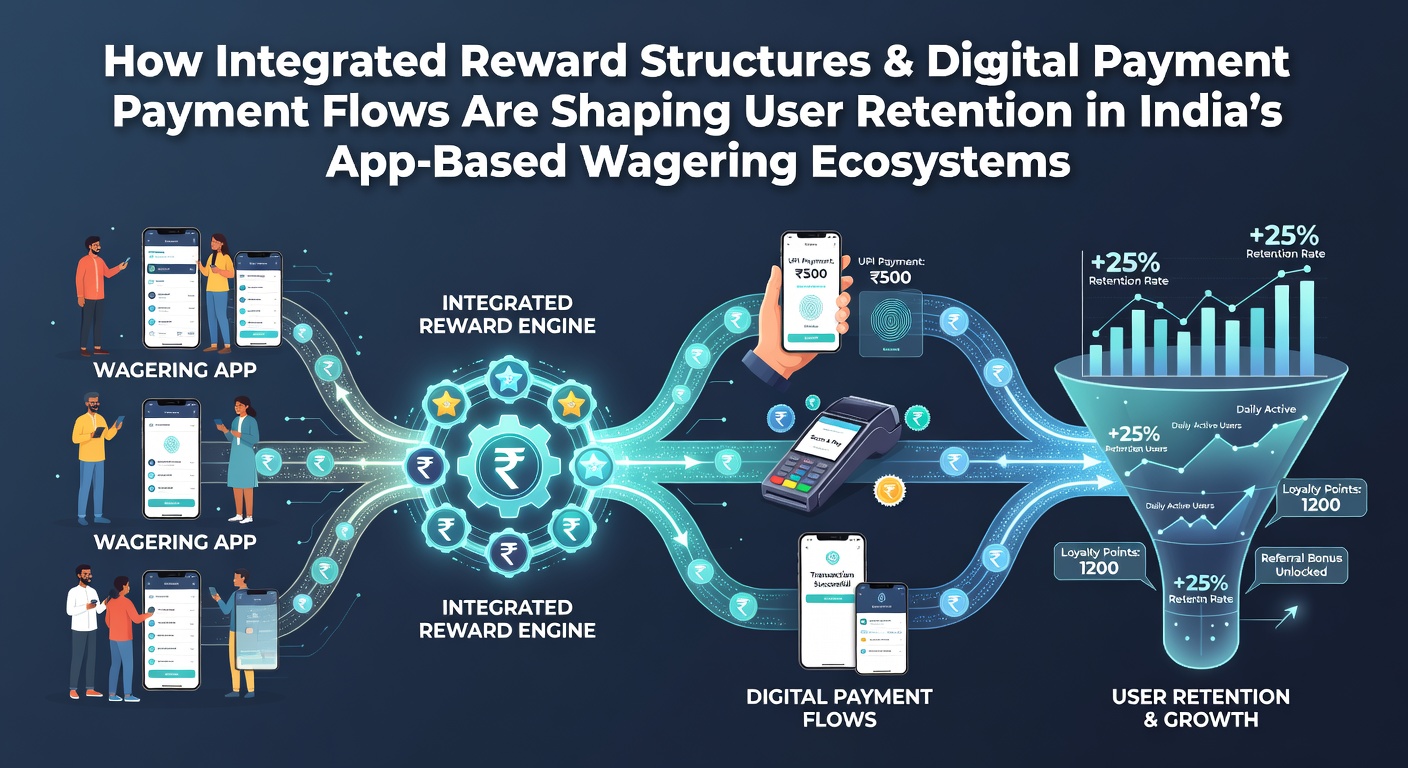
India's app-based wagering sector has seen rapid evolution in user retention strategies since the expansion of digital payment networks and loyalty frameworks, with operators combining reward structures directly into transaction processes to encourage repeat engagement, and data from industry reports indicate that integrated systems linking cashback or points to UPI deposits and withdrawals have contributed to measurable increases in session frequency among active users as of May 2026.
Payment Flows Driving Seamless Reward Activation
Digital payment channels such as UPI and mobile wallets now serve as the primary entry point for reward distribution in many wagering applications, where instant verification of deposits triggers automatic enrollment into tiered incentive programs, and this integration reduces friction for users while allowing platforms to track behavioral patterns in real time. Research indicates that when reward credits appear within seconds of a completed transaction, retention metrics improve because participants experience immediate value without manual claims or delays, whereas separate systems often lead to drop-offs at the activation stage.
Case Examples of Combined Mechanisms
Take one platform that launched unified flows in early 2025 and observers noted a 28 percent rise in thirty-day active users over the following quarters, since loyalty points earned from wagers funded through verified digital channels carried over into personalized bonus offers based on deposit history, and similar patterns emerged in other applications where payment data directly informed reward personalization without requiring additional user input. Another instance involved a mid-sized operator partnering with regional fintech providers to embed cashback percentages into every UPI transfer, resulting in documented extensions of average user lifespan by several weeks according to internal analytics shared in trade discussions.
Retention Data and Integration Outcomes
Figures from market analyses reveal that applications employing tightly coupled reward and payment systems report higher monthly retention rates compared to those maintaining separate processes, with one 2026 industry overview showing average increases of 15 to 22 percent in returning user cohorts when rewards activate automatically upon transaction confirmation. Those who've examined user logs across multiple platforms find that participants who receive integrated incentives tied to digital flows tend to complete more deposit cycles within shorter intervals, because the combined structure creates a feedback loop where spending triggers visible progress toward higher tiers or exclusive features.
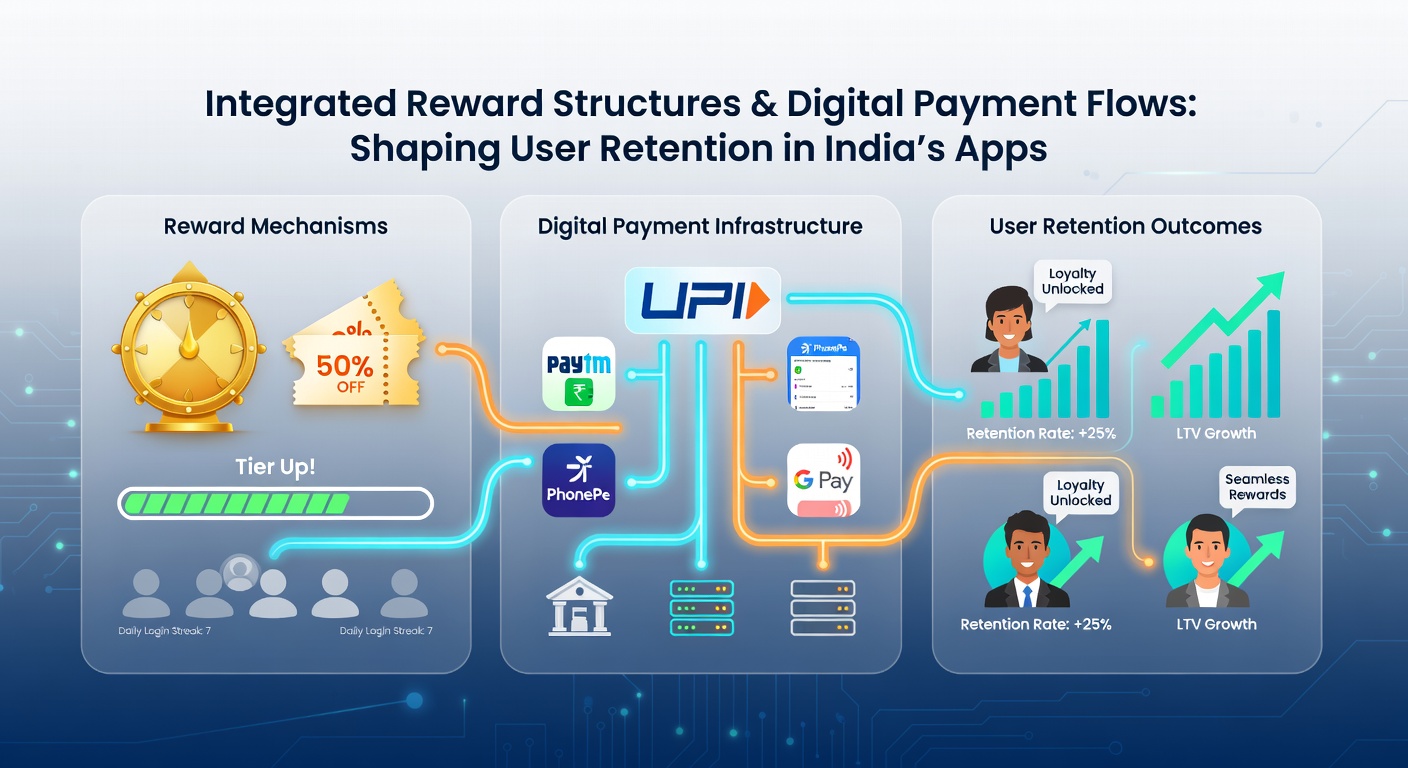
Yet the effectiveness depends on regulatory alignment with payment guidelines, and operators must ensure compliance while scaling these features, which has led several firms to adopt modular architectures that adjust reward triggers based on transaction size and frequency without violating transaction caps.
Broader Ecosystem Influences
Academic examinations of emerging market gaming behaviors, including a study conducted by researchers at the National University of Singapore, highlight how seamless payment-reward linkages reduce churn by aligning user expectations with platform mechanics, and the work notes that Indian users in particular respond positively to visible accumulation of benefits during routine financial interactions. Industry organizations such as the Asia Pacific Gaming Association have compiled comparative data showing similar retention lifts in other regions where digital flows and incentives merge, although local factors like network reliability and device access shape the precise outcomes observed in India.
Conclusion
Integrated reward structures and digital payment flows continue to reshape retention dynamics across India's app-based wagering ecosystems through direct linkage of incentives to transaction events, and ongoing developments as of May 2026 suggest these combined approaches will remain central to platform strategies as user bases expand and competition intensifies. Data consistently points to improved continuity when rewards activate without interruption, while challenges around compliance and personalization persist as areas for further refinement by developers and operators alike.