Payment Gateways and Session Transitions: Slot Play to Live Dealer Experiences in Indian Mobile Platforms
Written by Gisela Baumann · Aug 26, 2026
Payment Gateways and Session Transitions: Slot Play to Live Dealer Experiences in Indian Mobile Platforms
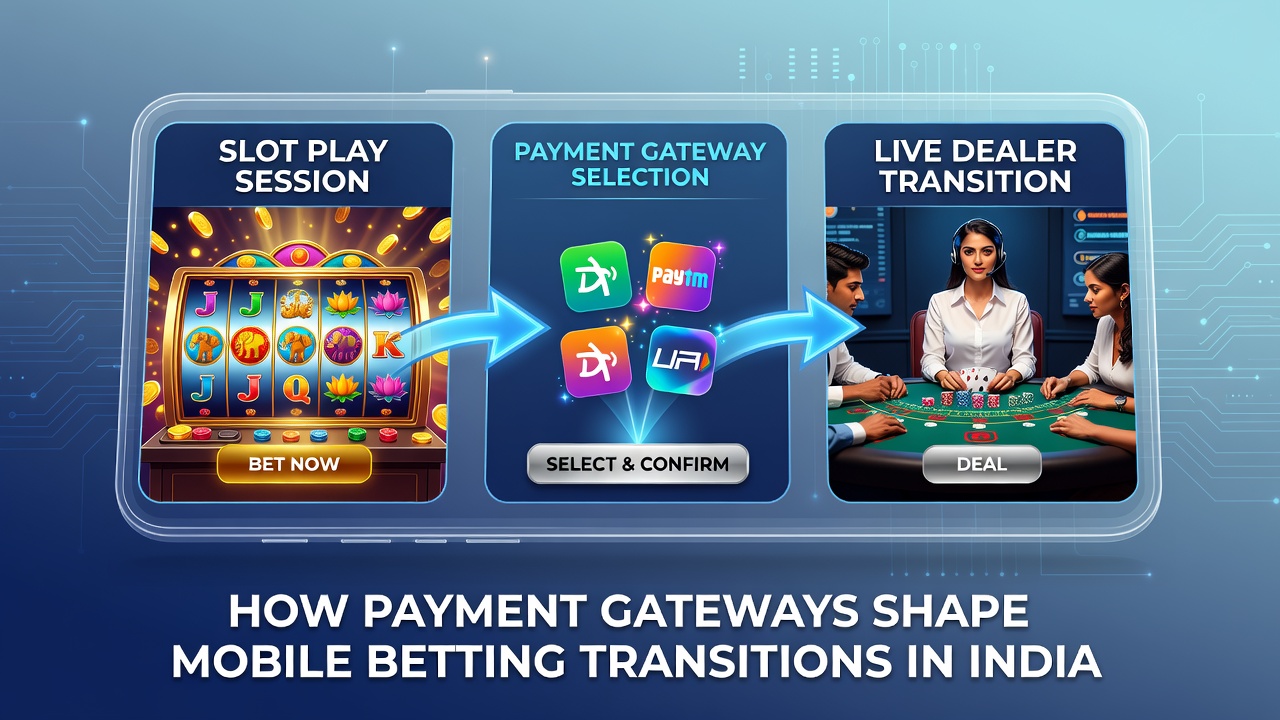
Payment gateway selections determine how users move between slot play and live dealer sessions on India's mobile betting platforms, because transaction speed, supported methods, and integration features directly affect session continuity. Data from platform analytics in 2026 show that users who select unified payment systems complete shifts between game types more frequently than those relying on fragmented options, and this pattern holds across major apps operating in the market.
Core Payment Methods in Use
India's mobile betting ecosystem relies heavily on UPI, digital wallets, and bank transfers, while credit card options appear less often due to regulatory constraints. Platforms integrate these gateways at the account level so deposits and withdrawals occur without leaving the app, and observers note that seamless UPI linkages allow players to fund both slot machines and live dealer tables from the same balance. Research conducted by payment infrastructure providers indicates that UPI handles the majority of transactions in hybrid apps, creating a single flow that reduces friction when users decide to switch formats mid-session.
Influence on Slot Sessions
Slot play tends to involve smaller, repeated bets that require quick top-ups, and payment gateways optimized for instant processing support longer slot sessions without interruption. When a gateway processes deposits in under ten seconds, users stay within the slot module rather than pausing to seek alternative funding, and figures from app telemetry reveal higher average session durations on platforms with low-latency gateways. Those who've studied user logs find that wallets linked to UPI maintain continuous play more effectively than slower bank transfer options, because the latter often introduce delays that prompt users to exit the slot area entirely.
Shifting to Live Dealer Formats
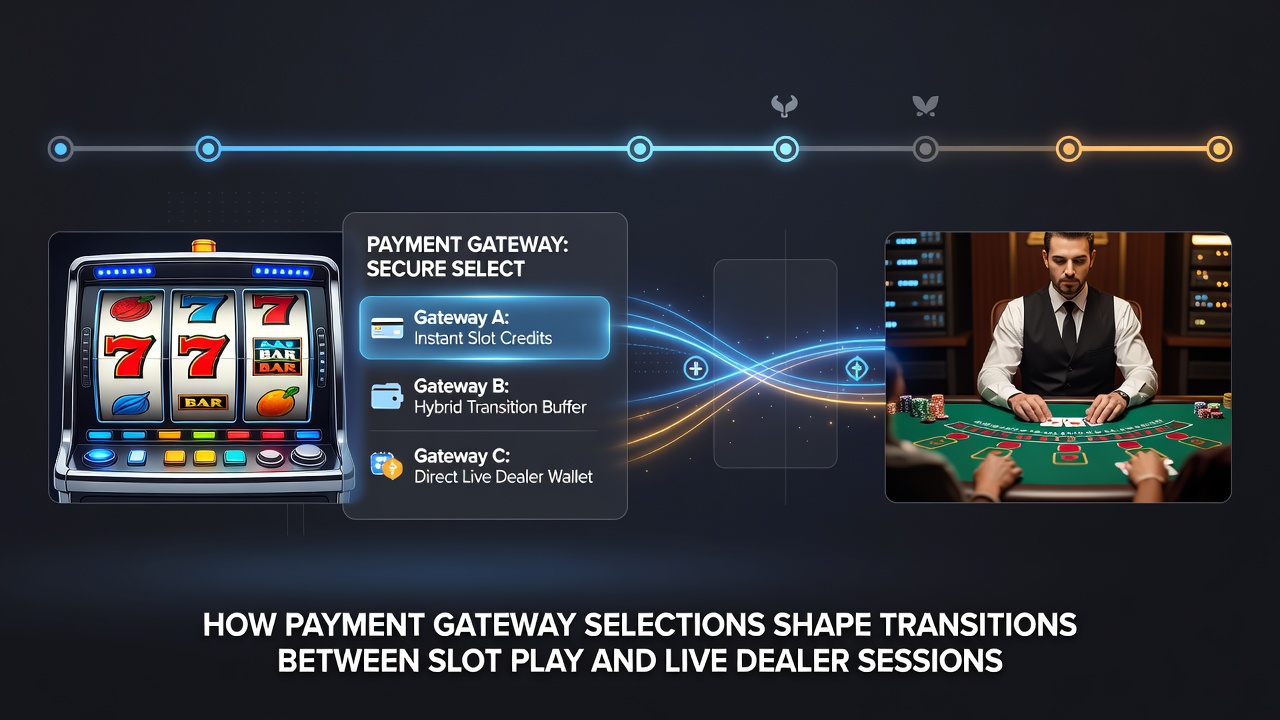
Live dealer sessions demand larger initial stakes and real-time verification, so gateways that handle higher transaction limits without additional authentication steps facilitate smoother transitions from slots. Data collected through 2026 shows that users who begin with slots and then move to live roulette or blackjack often select gateways that support instant balance updates across modules, and this integration reduces the time between the last slot spin and the first live dealer hand. Experts tracking behavioral patterns report that platforms offering combined payment dashboards see more cross-format activity, because players view their available funds in one place instead of managing separate wallets for different game types.
Technical Integration Factors
Gateway architecture determines whether balance information carries over automatically when a user leaves slots for live tables, and APIs that sync in real time prevent the need to re-enter payment details. Studies of app performance during August 2026 indicate that gateways with strong API connectivity between game servers minimize drop-off rates during these shifts, whereas less integrated systems force users to complete separate verification flows. Observers note that platforms using multi-gateway aggregators allow fallback options if one method slows down, which keeps transitions fluid even during peak hours when live dealer traffic increases.
Regional Usage Patterns
Payment preferences vary by region within India, and southern states show higher adoption of certain wallet services that connect directly to both slot and live dealer modules. Reports compiled by industry monitoring groups reveal that users in these areas complete more format switches per session when their chosen gateway supports instant settlement across game categories. In contrast, regions relying more on direct bank links experience longer pauses between slot play and live dealer entry, because those methods require additional confirmation steps that interrupt momentum.
Security and Compliance Elements
Security protocols embedded in payment gateways also shape transition behavior, since two-factor requirements applied inconsistently can interrupt live dealer entry after a slot session. According to guidance from the National Payments Corporation of India, standardized authentication flows reduce friction while maintaining compliance, and platforms that align their gateways with these standards record steadier movement between game types. Researchers examining compliance records find that gateways meeting uniform security benchmarks across modules encourage users to explore live dealer options without restarting payment setups.
Conclusion
Payment gateway selections establish the pathways that connect slot play with live dealer sessions on India's mobile betting platforms, through differences in speed, integration depth, and regional availability. Platform data collected through mid-2026 demonstrate measurable effects on how often and how smoothly users shift between these formats, and continued refinement of gateway features continues to alter these patterns as new tools enter the market.