Structure of Loyalty Tiers and Personalized Incentives in Mobile Sports and Casino Applications Within Emerging Markets
Written by Wendy Lange · May 16, 2026
Structure of Loyalty Tiers and Personalized Incentives in Mobile Sports and Casino Applications Within Emerging Markets
Operators across emerging markets have refined loyalty structures that segment users into progressive tiers based on deposit volume, wager frequency, and session duration, while layering in data-driven incentives that adjust in real time. These systems appear most frequently on mobile applications serving sports betting and casino verticals in regions such as Southeast Asia, Latin America, and parts of Africa, where smartphone penetration continues to climb and regulatory environments evolve rapidly.
Core Mechanics of Tier Progression
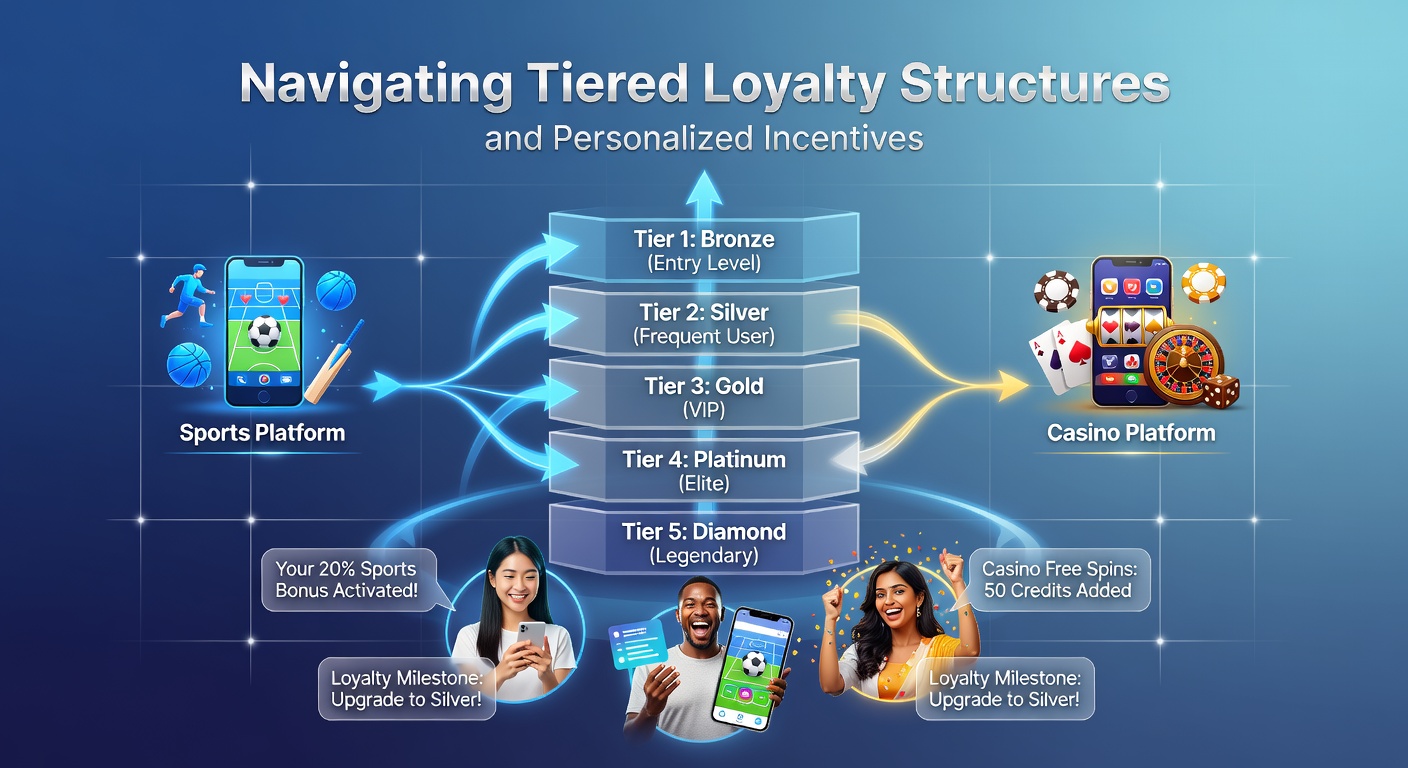
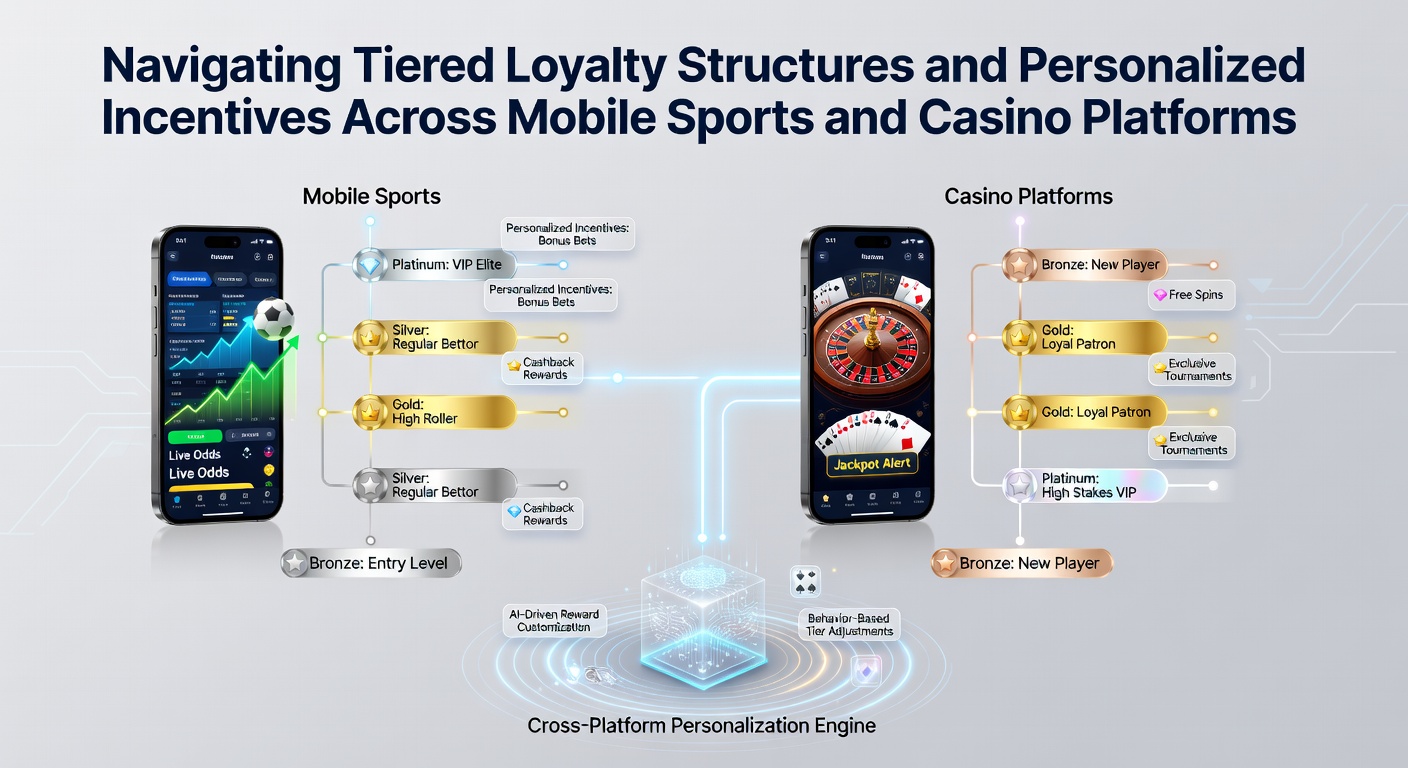
Platforms typically define four or five tiers, beginning with an entry-level status that grants basic cashback percentages and advancing to premium categories offering higher multipliers, exclusive event access, and dedicated account managers. Advancement occurs automatically once cumulative activity thresholds are met, and data from platform telemetry shows that users who reach the second tier within sixty days demonstrate retention rates approximately thirty percent higher than those who remain at entry level. Algorithms calculate tier movement daily, incorporating metrics such as average bet size and game variety rather than relying solely on total spend.
In markets like Brazil and the Philippines, operators align these tiers with local payment rails including instant bank transfers and e-wallets, allowing users to maintain progress across multiple funding methods without resetting counters. Regulatory filings from the Philippine Amusement and Gaming Corporation indicate that licensed operators must publish tier criteria transparently, which has prompted clearer communication of requirements through in-app progress bars and weekly summaries.
Personalization Layers and Incentive Delivery
Personalized incentives extend beyond static tier benefits by incorporating machine-learning models that analyze individual playing patterns to surface tailored offers, such as free spins calibrated to preferred slot volatility or boosted odds on specific leagues during major tournaments. These offers arrive via push notifications timed to user activity peaks, and operators report that conversion rates for such targeted promotions exceed those of generic campaigns by factors between two and four. The underlying data sets combine on-platform behavior with limited first-party demographic signals, while respecting regional data-protection statutes that limit cross-border transfers.
During May 2026, several platforms operating in India and Indonesia introduced dynamic reward calendars that shift daily based on predicted engagement curves derived from historical cohort analysis. Users at mid-tier levels receive invitations to limited-time tournaments whose prize pools scale according to collective participation, creating network effects that encourage continued play across both sports and casino products within the same application.
Regional Implementation Patterns
Latin American operators emphasize sports-centric tiers that reward accumulators on domestic football leagues and motorsport events, whereas Southeast Asian platforms balance sports and live casino incentives more evenly. In both zones, operators integrate loyalty wallets that allow users to convert tier points into credits usable across verticals or to offset withdrawal fees, a feature that reduces friction during cash-out sequences. Industry reports compiled by the Asian Gaming Association document that applications incorporating unified loyalty ledgers across products record average revenue per user increases of eighteen percent compared with siloed reward systems.
Payment-method bonuses further differentiate incentives, granting extra tier points when deposits occur through locally preferred channels such as PIX in Brazil or UPI-linked wallets in India. These bonuses function as acquisition tools during high-traffic periods around national holidays and major sporting events, yet they remain subject to wagering requirements that scale with tier level to maintain responsible-play guardrails.
Regulatory and Technical Considerations
Emerging-market regulators increasingly require operators to disclose algorithmic criteria used for personalization and to provide users with opt-out mechanisms for targeted offers. Compliance frameworks in several jurisdictions mandate periodic audits of loyalty algorithms to confirm that segmentation does not inadvertently disadvantage protected demographic groups. On the technical side, platforms rely on edge computing to deliver real-time incentive updates without excessive latency, a necessity given variable network conditions across rural and urban user bases.
Security protocols encrypt tier-progression data both in transit and at rest, and multi-factor authentication tied to device biometrics has become standard for accessing premium-tier dashboards. Observers note that these measures coincide with rising user expectations for seamless cross-device continuity, enabling progress to carry forward when users switch between mobile and tablet sessions.
Conclusion
Tiered loyalty structures combined with personalized incentives have become integral components of mobile sports and casino platforms operating in emerging markets, driven by measurable retention gains and regulatory demands for transparency. Continued refinement of these systems depends on evolving data-governance standards and the ability of operators to balance engagement objectives with responsible-play safeguards across diverse regulatory landscapes.